Latest news
LineageOS 22 Arrives With Android 15 Base and Wider Device SupportA Critical OpenSSH Vulnerability Is Being Patched, Update Now
  • Follow Us
skillo.dev
  • Home
  • News
    • Latest
    • AI
    • Security
    • Programming
    • Gadgets
    • Entertainment
  • Android
    • Android News
    • Custom ROMs
    • Root & Magisk
  • Platforms
    • Windows
    • Linux
    • Apple
  • Guides
  • More
    • Gaming
    • Reviews
    • Tools
    • Community
    • Live
    • Resources
  • Sign In
skillo.dev
  • Home
  • News
    • Latest
    • AI
    • Security
    • Programming
    • Gadgets
    • Entertainment
  • Android
    • Android News
    • Custom ROMs
    • Root & Magisk
  • Platforms
    • Windows
    • Linux
    • Apple
  • Guides
  • More
    • Gaming
    • Reviews
    • Tools
    • Community
    • Live
    • Resources

skillo.dev is a hands-on tech magazine — explainers, guides and news on AI, Android, security, Linux, programming and the tools developers actually use.

Get in Touch

  • Address

    Rajshahi, Bangladesh
  • Email

    [email protected]

#Distributed Systems

  • Home
  • Distributed Systems
Server racks, representing a distributed lock.
Programming

What Is a Distributed Lock? Explained

  • by Skillo Staff
  • Oct 11, 2026

A distributed lock coordinates access to a shared resource across multiple machines, so only one can use it at a time. This guide explains distributed locks.
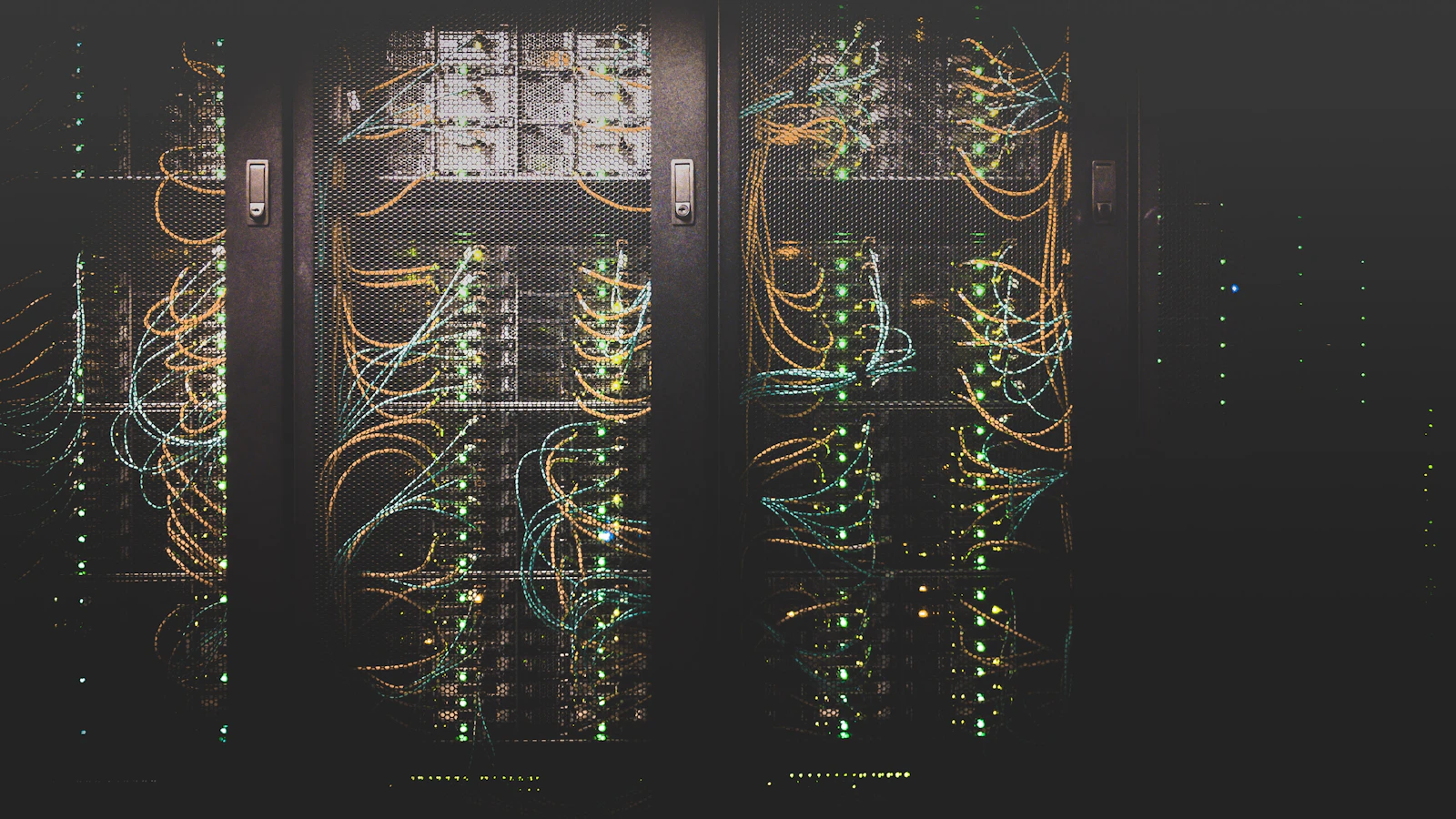
Server racks, representing two-phase commit.
Programming

What Is Two-Phase Commit? Explained

  • by Skillo Staff
  • Oct 11, 2026

Two-phase commit is a protocol that helps multiple systems agree to either all commit a transaction or all abort it. This guide explains two-phase commit.

Server racks, representing strong consistency.
Programming

What Is Strong Consistency? Explained

  • by Skillo Staff
  • Oct 11, 2026

Strong consistency means that once data is written, every later read sees that latest value, so everyone shares one up-to-date view. This guide explains it.

Server racks, representing fault tolerance.
Programming

What Is Fault Tolerance? Explained

  • by Skillo Staff
  • Oct 11, 2026

Fault tolerance is the ability of a system to keep operating properly even when some of its components fail. This guide explains what fault tolerance is.

Server racks, representing the CAP theorem.
Programming

What Is the CAP Theorem? Explained

  • by Skillo Staff
  • Oct 11, 2026

The CAP theorem says a distributed data store cannot simultaneously guarantee consistency, availability, and partition tolerance. This guide explains the CAP theorem.

Server racks, representing a vector clock.
Programming

What Is a Vector Clock? Explained

  • by Skillo Staff
  • Oct 11, 2026

A vector clock is a mechanism for determining the order of events in a distributed system, helping detect which events came before others. This guide explains it.

Server racks, representing a quorum.
Programming

What Is a Quorum in Distributed Systems? Explained

  • by Skillo Staff
  • Oct 11, 2026

A quorum is the minimum number of participants that must agree for a distributed system to make a decision or operation valid. This guide explains quorums.

Server racks, representing consensus in distributed systems.
Programming

What Is Consensus in Distributed Systems? Explained

  • by Skillo Staff
  • Oct 11, 2026

Consensus is the problem of getting multiple machines in a distributed system to agree on a single value, even despite failures. This guide explains consensus.

Server racks, representing leader election.
Programming

What Is Leader Election? Explained

  • by Skillo Staff
  • Oct 11, 2026

Leader election is the process by which machines in a distributed system choose one of them to act as the coordinator. This guide explains leader election.

Network servers, representing eventual consistency.
Programming

What Is Eventual Consistency? Explained

  • by Skillo Staff
  • Oct 7, 2026

Eventual consistency is a model where copies of data across a distributed system become consistent over time, rather than instantly. This guide explains what it is.

Network connections, representing publish-subscribe messaging.
Programming

What Is Publish-Subscribe? Explained

  • by Skillo Staff
  • Oct 7, 2026

Publish-subscribe is a messaging pattern where senders publish messages without knowing who will receive them, and subscribers receive only what they are interested in. This guide explains it.

skillo.dev

A modern technology media and community platform covering AI, Android, custom ROMs, Windows, Linux, Apple, security, gaming and developer news.

Follow us

Sections

  • AI
  • Android
  • Custom ROMs
  • Windows
  • Linux
  • Apple

Explore

  • Reviews
  • Guides
  • Gaming
  • Entertainment
  • Live
  • Resources

Newsletter

Subscribe to our mailing list to get the new updates!

© 2026 skillo.dev. All rights reserved.

  • Privacy Policy
  • Terms & Conditions