
What a graph database is
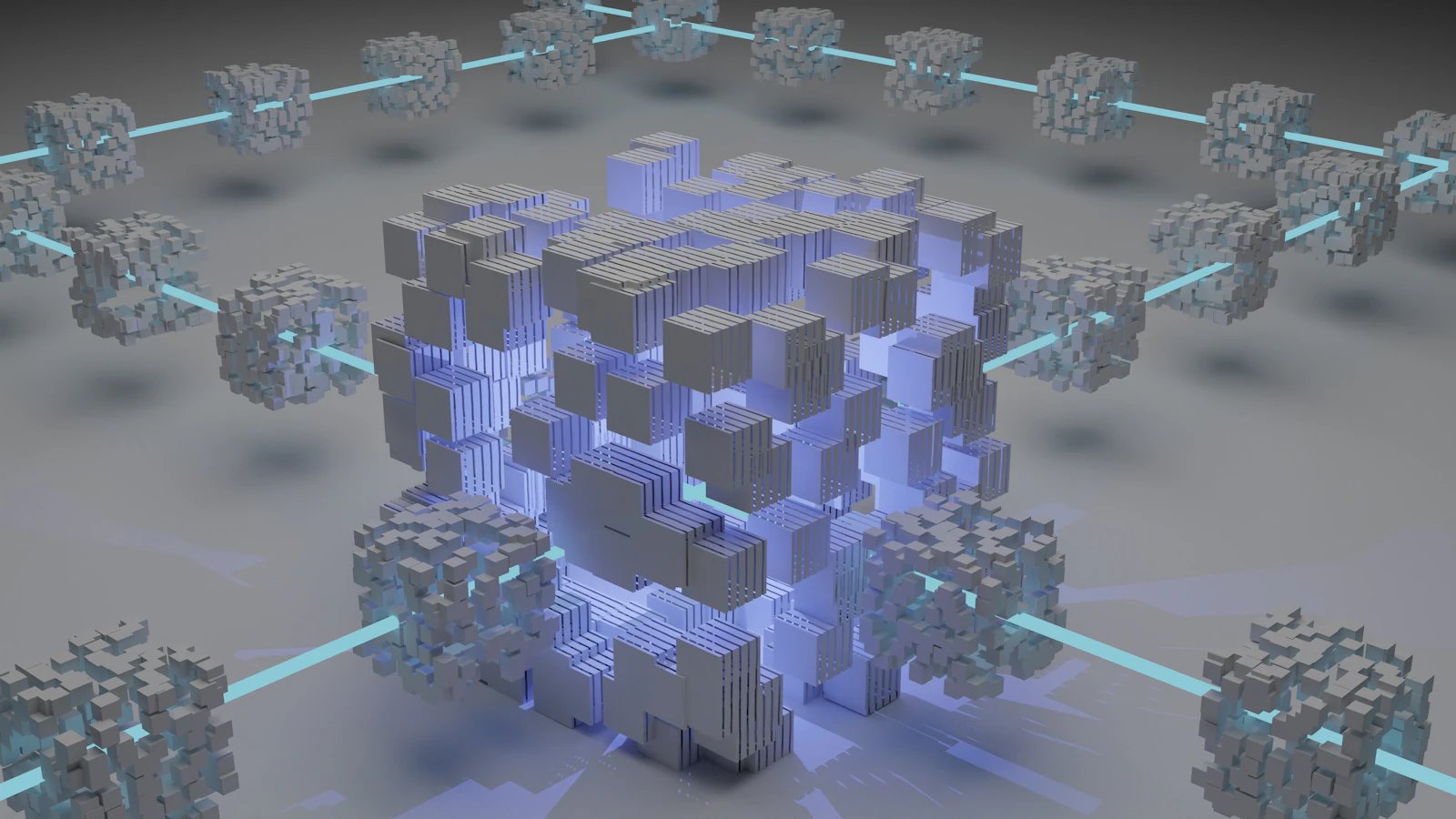
A graph database is a type of database designed to store data as a network of connected things, rather than as tables of rows and columns. It represents information as nodes, which are the entities like people or products, and the relationships between them, which link the nodes together. This makes it especially well suited to data where the connections between items are just as important as the items themselves.
Nodes and relationships
The two building blocks of a graph database are nodes and relationships. A node represents an entity, such as a person, a place, or an item. A relationship connects two nodes and describes how they are linked, for example that one person is friends with another, or that a customer bought a product. Both nodes and relationships can carry extra details, creating a rich, connected web of information.
Why connections matter
Some data is all about relationships. Social networks, recommendation systems, and maps of how things depend on each other are naturally about connections. In a traditional database, answering questions that follow many links, like finding friends of friends, can be slow and awkward. A graph database is built for exactly this, making it fast and natural to explore and follow relationships through the data.
Graph versus relational
The familiar relational database stores data in tables and links them together when needed, which works wonderfully for many purposes. But when queries involve following long chains of relationships, this linking can become complex and slow. A graph database stores the relationships directly as part of the data, so traversing connections is efficient. Each type excels at different things, and graph databases shine where relationships are central.
Where they are used
Graph databases power many connection-focused features. They drive social network functions like suggesting people you may know, recommendation engines that link you to related products, fraud detection that spots suspicious patterns of relationships, and knowledge systems that map how concepts relate. Anywhere understanding and following connections is key, a graph database often provides a more natural and faster solution than other kinds of database.
The bottom line
A graph database stores data as nodes and the relationships between them, making it ideal for highly connected information like social networks, recommendations, and fraud detection. By storing connections directly, it explores relationships far more efficiently than table-based databases can. Understanding it explains a powerful alternative to traditional databases, built specifically for data where the links between things matter most.
Related on Skillo
See also: What is a database? SQL vs NoSQL explained, What is a relational database? Explained.
Sources
Published date reflects the original event date (2026-10-23). This article is original Skillo editorial written from the sources above; facts were verified in September 2026.


Leave a Reply