
What Ethernet is
Ethernet is the most widely used technology for connecting devices in a wired local network. It defines how data is packaged, sent, and received over a cable, along with the physical cables and connectors themselves. When you plug a computer, game console, or router into a network using a cable with a familiar clip-in connector, you are using Ethernet. It has been the standard for wired networking for decades.
How it works
Ethernet sends data in units called frames, each carrying the information plus the addresses of its sender and intended receiver. Devices on the network share the connection and follow agreed rules about when to send, so their messages do not collide and get garbled. Over the years these rules have been refined, allowing Ethernet to grow from modest beginnings into something capable of carrying huge amounts of data reliably.
Cables and ports
The most recognizable part of Ethernet is its hardware. The cables, often called network or LAN cables, end in a plug that clicks firmly into a matching port, a connection most people recognize even if they do not know its name. These ports appear on routers, computers, televisions, and many other devices. Different cable grades support different speeds, but they all share the same familiar, reassuringly solid connector.
Wired versus wireless
Ethernet competes with Wi-Fi, which does the same job without cables. Wi-Fi wins on convenience, letting devices roam freely, but Ethernet still holds clear advantages. A wired connection is typically faster, more stable, and less prone to interference or dropouts, because the data has a dedicated physical path. For gaming, video calls, large transfers, and anything needing rock-solid reliability, many people still prefer to plug in.
Still everywhere
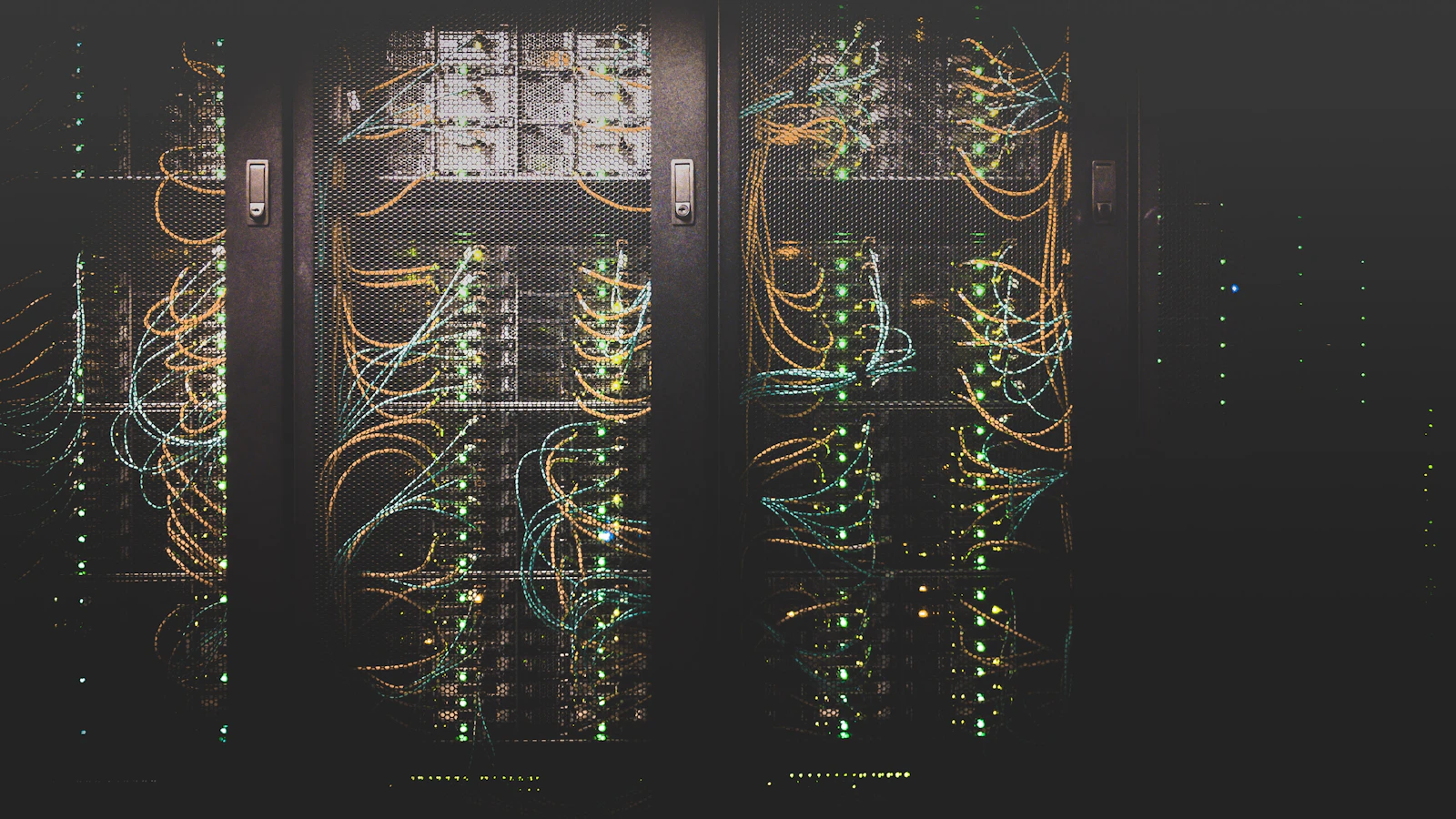
Even in an increasingly wireless world, Ethernet remains fundamental. Offices, data centers, and homes rely on it for their fastest and most dependable connections, and the Wi-Fi you use is almost always fed by Ethernet somewhere behind the scenes. Its combination of speed, reliability, and simplicity has kept it at the heart of networking far longer than many technologies survive, with no sign of disappearing.
The bottom line
Ethernet is the standard for wired local networks, defining how data travels over cables in neatly addressed frames and the familiar clip-in connectors that carry it. It remains faster and more reliable than Wi-Fi, which is why it still anchors homes, offices, and data centers. Understanding it explains why, despite wireless convenience, plugging in a cable often gives you the best connection available.
Related on Skillo
See also: What is a router? Explained, What is TCP/IP? Explained.
Sources
Published date reflects the original event date (2026-10-23). This article is original Skillo editorial written from the sources above; facts were verified in September 2026.


Leave a Reply