
What a knowledge graph is
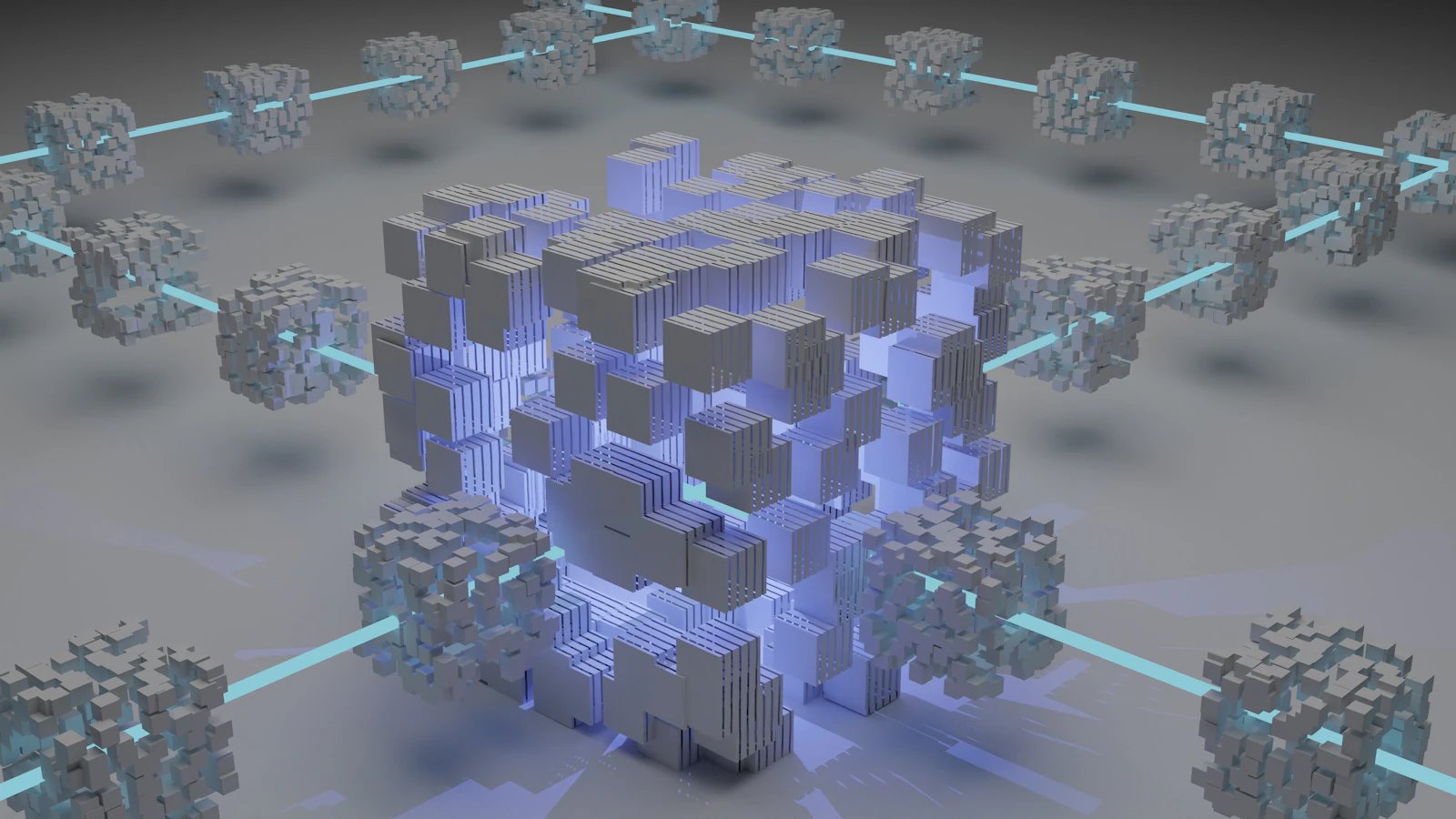
A knowledge graph is a way of organizing information as a network of things and the relationships between them. Instead of storing facts as isolated entries, it represents real-world entities, like people, places, and concepts, as connected points, with links showing how they relate. The result is a web of knowledge that captures not just facts, but how those facts connect, which helps computers understand information more meaningfully.
Entities and relationships
The two building blocks of a knowledge graph are entities and relationships. Entities are the things, such as a person, a city, or a company. Relationships are the meaningful links between them, such as a person was born in a city, or works for a company. By connecting entities through labeled relationships, a knowledge graph forms a structured map of how everything relates, far richer than a simple list of facts.
Why connections matter
The power of a knowledge graph lies in these connections. Because it captures how things relate, a computer can follow links to answer questions that require combining facts, such as finding all the films directed by a person born in a certain country. The relationships let the system reason about information rather than just look up isolated entries, enabling more intelligent and connected understanding of data.
Where they are used
Knowledge graphs power many familiar technologies. Search engines use them to understand what you mean and show rich, connected information, like a summary box about a person with related facts. Virtual assistants use them to answer questions by relating entities. They also help organize company knowledge and increasingly support AI systems by giving them structured, reliable facts to draw on, grounding answers in connected information.
Why it matters
Knowledge graphs matter because they give machines a structured understanding of how the world's facts connect, not just the facts themselves. This connected view enables smarter search, better answers, and more capable AI. As systems increasingly need reliable, relatable knowledge, knowledge graphs have become an important foundation, which is why understanding them reveals a key piece of how modern search, assistants, and AI make sense of information.
The bottom line
A knowledge graph organizes information as a web of entities and the relationships between them, capturing not just facts but how they connect. This lets computers reason across linked information to answer richer questions. Powering search, assistants, and increasingly AI, knowledge graphs give machines a connected understanding of the world. Understanding them explains a key foundation behind intelligent, connected technology.
Related on Skillo
See also: What is a vector database? Explained, What is semantic search? Explained.
Sources
Published date reflects the original event date (2026-10-23). This article is original Skillo editorial written from the sources above; facts were verified in September 2026.


Leave a Reply